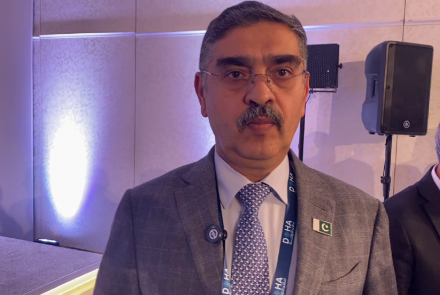

The former interim Prime Minister of Pakistan, Anwaar-ul-Haq Kakar, told Afghan media that the growing tensions between Kabul and Islamabad benefit neither country.
Kakar emphasized that Afghanistan’s relations with regional countries, including India, Iran, and Uzbekistan, are Kabul’s sovereign decision, but maintained that it is essential for Afghanistan and Pakistan to have good relations.
Anwaar-ul-Haq Kakar said: “We want a free Afghanistan. We do not want to say that it shouldn’t have strong relations with other countries like India, Iran, and Uzbekistan. We want Afghanistan to have good ties with us as well as with others.”
On the other hand, Asad Qaiser, leader of Pakistan’s Tehreek-e-Insaf party, offered a different perspective. He sees the current situation not only as a security threat but also as a failure of Islamabad’s foreign policy.
Qaiser said: “We have a relationship with Afghanistan, and it’s clear that our current policy has failed. If India, which was previously opposed to the current Afghan government, has managed to establish diplomatic and trade ties, then I ask: what is your failed foreign policy? We demand the immediate reopening of border crossings with Afghanistan to enable trade and ensure security.”
These remarks come amid unprecedented tensions between Kabul and Islamabad over the past two months, marked by cross-border attacks, frequent closures of trade routes, and growing mistrust—issues that have placed a heavy burden on the people and economies of both nations.
Idrees Mohammadi Zazai, a political analyst, stated: “Instead of damaging ties through attacks, Pakistan would do better to address its internal political, economic, and cultural problems, and avoid creating negative public sentiment against Afghanistan in these sensitive times.”
Meanwhile, the special envoy of Uzbekistan’s president for Afghanistan, on the sidelines of the Doha Forum, said his country favors resolving tensions between Kabul and Islamabad through diplomacy, not war.